


Can you Conquer Mars? The Truth About Planting Flags in Space!

If an Astronaut Hoists an Indian Flag on Mars, Does India Own the Red Planet?

Imagine this: An Indian astronaut steps out of a spaceship, dusts off a spot on Mars, and proudly hoists the Tiranga. The world watches in awe. But wait—does this mean India just claimed Mars? Can a nation plant its flag on an alien world and call it its own, like some intergalactic land grab?

Before you start celebrating India’s Martian Empire, let’s break it down. But be warned—what you’re about to learn might shock you!

Space Law: The Cosmic Battlefield

Back on Earth, when explorers like Columbus planted a flag, they claimed new lands for their kingdoms. But space isn’t like Earth. The Outer Space Treaty of 1967, signed by over 100 nations (including India), says:

“Outer space, including the Moon and other celestial bodies, is not subject to national appropriation by claim of sovereignty, by means of use or occupation, or by any other means.”

Translation? No country can claim Mars! Even if India, the U.S., or Elon Musk himself plants a flag there, it’s just a symbolic gesture—nothing more.

But wait… if no one can own Mars, who controls it?

The Dark Side of Space: Who Will Enforce the Rules?

Let’s be real. Laws are only as strong as those who enforce them. On Earth, we have military forces, courts, and governments to settle disputes. But on Mars? It’s the Wild West. No one is physically there to stop a country from claiming a chunk of land.

What if a nation builds a Mars base and refuses to leave? What if corporate giants start mining and demand sovereignty? What if India sends a permanent colony—who will tell us to back off?

Right now, space agencies pretend they follow the treaty. But the moment humanity starts living on Mars, these paper rules might crumble faster than a dry samosa!

India’s Ace Card: The Future of Martian Power

Let’s not forget—India is already a space powerhouse. With ISRO’s Mars Orbiter Mission (Mangalyaan) reaching Mars before even the U.S. did on its first attempt, India is no underdog. If any country is ready for the Martian future, it’s us.

What happens when India sends a crewed mission? What if our flag stands on Mars for decades, untouched? Will the world simply “accept” that India has a legitimate claim?

History tells us that possession is nine-tenths of the law. Even if treaties say otherwise, the first settlers will decide Mars’ fate. And if India is one of them… who’s going to argue?

Final Verdict: Will India Own Mars?

Legally? No. Strategically? Maybe. Practically? If we get there first, then WHY NOT?

So, should India just send astronauts, plant a flag, and declare, “This is Bharat’s Land Now?”

We’re not saying yes… but we’re not saying no either.

What do you think? Will the first nation on Mars rewrite the laws of space? Drop your thoughts in the comments, and don’t forget to subscribe to our channel for more explosive debates on space, law, and India’s cosmic future!

Have you ever signed Employee Agreements?

In the world of employment, standard employee agreements have long been the norm. These generic contracts often apply uniformly to all employees, regardless of their unique roles, responsibilities, or personal circumstances. However, this one-size-fits-all approach overlooks the nuanced needs and expectations of both employers and employees. As workplaces evolve and employment dynamics become more complex, there is a growing need to rethink how employee agreements are crafted. Customizing these agreements can offer significant advantages for both parties and address modern employment challenges more effectively.

Why Standard Agreements Fall Short

  1. Lack of Personalization: Standard employee agreements often fail to address the specific roles, responsibilities, and career goals of individual employees. For instance, the needs of a senior executive differ vastly from those of an entry-level employee. A generic contract may not adequately reflect the unique contributions, expectations, and compensation that should correspond with each role.
  2. Missed Opportunities for Tailored Benefits: A uniform agreement may not provide opportunities for customizing benefits that could be particularly relevant to individual employees. For example, an employee with significant family responsibilities might benefit from flexible working hours or additional parental leave, while another might prioritize professional development opportunities.
  3. Potential for Misalignment: Standard agreements can lead to misunderstandings or misalignment between the employer and the employee regarding expectations, performance metrics, and career progression. Custom agreements allow for clearer communication of these aspects, reducing the potential for conflict and dissatisfaction.

Advantages of Customized Employee Agreements

  1. Enhanced Flexibility and Satisfaction: Custom agreements can address specific needs and preferences of employees, leading to higher job satisfaction and improved morale. For example, offering tailored work arrangements, such as remote work options or adjusted schedules, can accommodate personal needs while maintaining productivity.
  2. Improved Talent Acquisition and Retention: By providing agreements that reflect individual contributions and aspirations, employers can attract top talent and enhance retention rates. Customized agreements demonstrate an understanding and appreciation of the unique value each employee brings to the organization, fostering a more engaged and loyal workforce.
  3. More Accurate Performance Metrics: Personalized agreements can include specific performance metrics and career development goals aligned with the employee’s role and ambitions. This clarity helps both parties manage expectations and measure success more effectively, leading to more objective evaluations and fair compensation.
  4. Stronger Legal Protection: Tailored agreements can better address specific legal and compliance issues relevant to different roles and industries. This customization helps ensure that both employer and employee are protected against potential disputes or misunderstandings, reducing legal risks for both parties.

The Need for Custom Agreements in Today’s Employment Landscape

In the contemporary work environment, characterized by diverse job roles, evolving expectations, and varying personal circumstances, a standardized approach to employee agreements is increasingly inadequate. As organizations strive to accommodate a wide range of employee needs and preferences, custom agreements provide a more dynamic and responsive framework.

The shift towards remote work, flexible hours, and diverse work environments further underscores the need for personalized agreements. Custom contracts can better address the intricacies of remote work arrangements, international employment, and flexible job roles, offering solutions that reflect the realities of modern employment.

Moreover, as workplaces become more focused on employee well-being and work-life balance, customized agreements align with these values by incorporating provisions tailored to individual circumstances and career goals. This alignment fosters a positive work culture, enhances employee engagement, and drives overall organizational success.

The traditional approach of using uniform employee agreements is increasingly out of step with the complexities and demands of the modern workforce. Customized agreements offer significant advantages by addressing individual needs, improving satisfaction, and aligning with contemporary employment trends. For both employers and employees, embracing a more personalized approach to contracts is not just beneficial but essential for fostering a productive and harmonious work environment.

As we navigate the evolving landscape of employment, it is imperative for organizations to consider the benefits of individualized agreements and implement them to meet the diverse needs of their workforce. This shift will not only enhance job satisfaction but also drive organizational success and resilience in an ever-changing world.

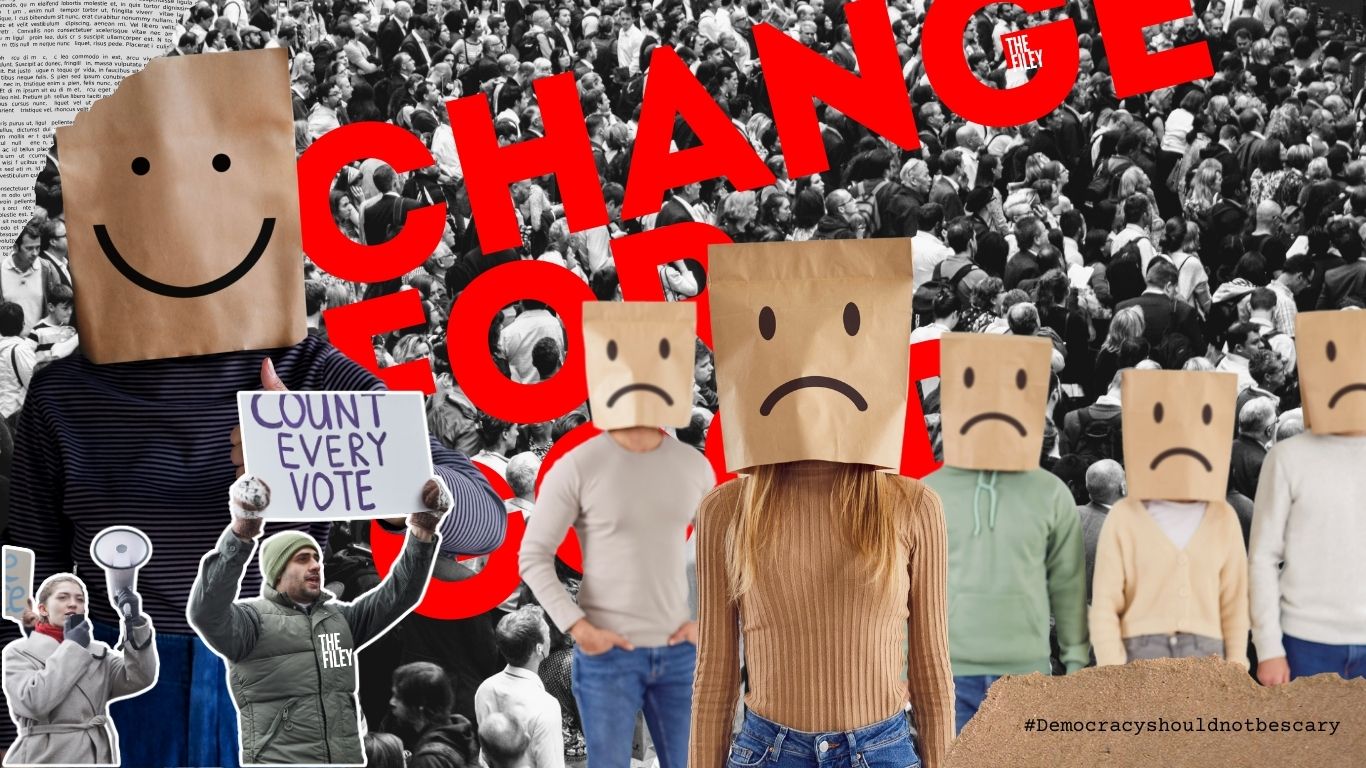
Introducing Happy Meter…

Imagine if, alongside elections, we had a “Happy Meter” to rate just how joyful the populace is with their government. After all, what’s democracy if the people aren’t smiling? Here’s a humorous and eye-opening take on why the Happy Meter might just be the next big thing in governance.

Voting: The Ultimate Reality Show

Elections are already the world’s greatest reality show. There are debates (read: televised shouting matches), campaign ads (read: melodramatic soap operas), and rallies (read: free concert gigs). But once the ballots are counted and the dust settles, the big question remains: Is everyone actually happy?

Enter the Happy Meter, a quirky, colorful device that measures the nation’s mood in real-time. Picture it like the meter on Ghostbusters’ proton packs, but instead of detecting ghosts, it gauges grumpiness.

How Would It Work?

Imagine every citizen receives a Happy Meter app on their smartphone. It’s simple:

  • Daily Mood Check: You get a notification asking, “How happy are you with the government today?” Responses range from “Dancing in the streets” to “Moving to Mars.”
  • Instant Feedback: Results are compiled in real-time and displayed on giant screens in city centers. Governments can no longer hide behind press conferences; the Happy Meter reveals all.
  • Policy Impact: New tax hike? The Happy Meter will drop faster than a lead balloon. A new public holiday? Watch it soar like a hot air balloon at dawn.

The Happy Meter in Action

Scandal!: A new scandal breaks out involving politicians and misuse of funds. The Happy Meter plunges. The government, seeing their ratings tanking, scrambles to fix the issue faster than you can say “public relations disaster.”

Infrastructure Improvements: The government announces a major infrastructure overhaul. The Happy Meter climbs. People are smiling as potholes are filled and new parks are opened.

Unexpected Holidays: Surprise! The government declares an unexpected public holiday. The Happy Meter explodes with joy. Who doesn’t love a free day off?

Why We Need This

  1. Real-Time Accountability: Politicians would have to face the music daily. No more hiding behind vague promises and delayed results. If the Happy Meter is in the red, they need to act – now!
  2. Direct Democracy: The Happy Meter gives a voice to the people in between elections. It’s not just about voting once every few years; it’s about continuous feedback.
  3. Transparency: Governments can’t fake happiness. If policies are unpopular, the Happy Meter tells the truth, in all its brutal, honest glory.

The Downside (Because There’s Always One)

Manipulation: Politicians might start bribing people with free ice cream or concerts to keep the Happy Meter in the green. Imagine election promises of weekly “Happy Fridays” with free pizza and puppies.

Overwhelming Positivity: There’s a risk of the Happy Meter becoming a popularity contest rather than a serious governance tool. Policies that are necessary but unpopular might take a backseat to crowd-pleasers.

Technological Glitches: What happens when the app crashes? Or worse, what if it’s hacked? Imagine a rival party sabotaging the Happy Meter to make the government look worse than they are.

A Vision for the Future

Despite its potential pitfalls, the Happy Meter could revolutionize the way we interact with our governments. Imagine a world where every day is an opportunity for the government to earn its people’s happiness. It’s a whimsical yet profound shift towards a more engaged and satisfied citizenry.

Governments would have to become adept at reading the public mood and responding promptly. Policies would be shaped not just by economic indicators and political ideologies but by the collective joy (or grumpiness) of the populace.

The Happy Meter is a humorous yet thought-provoking idea that underscores the importance of public satisfaction in governance. While elections determine who sits in power, the Happy Meter would ensure that those in power are constantly attuned to the needs and happiness of the people they serve.

So, next time you find yourself frustrated with political antics, just imagine the Happy Meter flashing its lights, sending politicians scrambling to keep us all smiling. Because, in the end, isn’t a happy citizen the best measure of a successful government?

I am dead but not my Rights

In India, the rights of a deceased person are primarily governed by legal principles related to inheritance, succession, and property rights. While individuals retain certain rights and interests during their lifetime, these rights may undergo changes or transitions upon death. Here are some key aspects of the rights of a deceased person under Indian law:

1. Succession and Inheritance:

Upon the death of an individual, their property and assets are transferred to their legal heirs according to the laws of succession applicable to their religion or personal law. For example:

  • Hindu Succession Act: Governs the inheritance rights of Hindus, Buddhists, Jains, and Sikhs. It determines the distribution of property among heirs, including spouses, children, and other relatives.
  • Muslim Personal Law: Dictates inheritance rights for Muslims, including rules regarding shares for different heirs such as spouses, children, parents, and other relatives.
  • Indian Succession Act: Applies to Christians, Parsis, and Jews, providing rules for the distribution of property and assets among heirs.

2. Testamentary Rights:

Individuals may exercise their right to dispose of their property and assets through a valid will. A will allows a person to specify how their estate should be distributed after their death, including naming beneficiaries and allocating specific assets. The Indian Succession Act governs the execution and validity of wills in India.

3. Right to Dignity and Reputation:

Even after death, individuals retain certain rights to dignity and reputation. Indian law recognizes the concept of defamation of the deceased, allowing legal action to be taken if false statements are made that harm the reputation of the deceased person or their family members.

4. Right to Property:

The property rights of a deceased person are transferred to their legal heirs according to applicable laws of succession and inheritance. However, during the process of succession, the deceased person’s estate may be managed by legal representatives or executors appointed by the court until the distribution of assets is completed.

5. Right to Privacy:

While the concept of privacy primarily pertains to living individuals, Indian law recognizes the importance of protecting the privacy of deceased persons in certain contexts, such as preventing unauthorized use of their personal information or images for commercial purposes without consent.

Conclusion:

In summary, the rights of a deceased person in India primarily revolve around the distribution of their property and assets among legal heirs, governed by laws of succession and inheritance. Additionally, concepts of dignity, reputation, privacy, and testamentary freedom are relevant in determining the legal status and rights of a deceased individual under Indian law.

Your Right to – REFUSE (India)

In a democratic society like India, the protection of individual liberties is paramount. Among these fundamental freedoms enshrined in the Constitution, the right to refuse holds a significant place. Rooted in principles of autonomy, dignity, and personal choice, the right to refuse empowers citizens to make decisions about their own lives and bodies without undue interference. Understanding this right within the context of the Indian Constitution is crucial for upholding the values of democracy and individual sovereignty.

Constitutional Foundations

The right to refuse finds expression in various provisions of the Indian Constitution, primarily within the framework of fundamental rights and principles of justice, liberty, and equality. While the Constitution does not explicitly mention the “right to refuse”, it is implicit in several fundamental rights, particularly:

Article 21: Right to Life and Personal Liberty

Article 21 of the Indian Constitution guarantees the right to life and personal liberty, which has been interpreted expansively by the judiciary to include the right to autonomy and bodily integrity. This implies that individuals have the freedom to make choices regarding their own lives, bodies, and actions, including the right to refuse unwanted medical treatment or intervention.

Article 19: Right to Freedom

Article 19 of the Constitution protects various freedoms, including the right to freedom of speech and expression, assembly, association, movement, and occupation. These freedoms encompass the right to refuse participation in activities or associations that one does not consent to, whether in the context of employment, political affiliations, or other engagements.

Applications in Various Contexts

Medical Treatment

In the realm of healthcare, the right to refuse plays a significant role. Indian courts have consistently upheld the principle of informed consent, affirming the right of patients to refuse medical treatment or interventions, even if recommended by healthcare professionals. This includes the right to refuse life-saving treatments, provided the patient is deemed competent to make such decisions.

Employment

The right to refuse also extends to the workplace, where employees have the freedom to decline participation in tasks or assignments that they believe are unsafe, unethical, or unlawful. While employers retain certain prerogatives to manage their operations, they must respect the rights of employees and provide reasonable accommodations where necessary.

Government Actions

Citizens have the right to refuse compliance with government actions or mandates that they deem unjust or unconstitutional. This may include peaceful protests, civil disobedience, or legal challenges to laws or policies that infringe upon their rights or freedoms. The right to refuse serves as a check on government power and ensures accountability to the principles of democracy and rule of law.

Limitations and Challenges

While the right to refuse is fundamental, it is not absolute and may be subject to certain limitations, particularly when it conflicts with other rights or public interests. For instance, the refusal of certain medical treatments during public health emergencies may pose risks to public health and safety, necessitating intervention or regulation by the state.

Conclusion

The right to refuse is a cornerstone of individual liberty and autonomy under the Indian Constitution. Rooted in principles of dignity, choice, and self-determination, it empowers citizens to assert control over their own lives and bodies. Upholding this right requires a delicate balance between individual freedoms and societal interests, ensuring that democratic principles and constitutional values are upheld in all spheres of life. By recognizing and protecting the right to refuse, India reaffirms its commitment to promoting justice, liberty, and equality for all its citizens.

Do we really need RULES?


Ever wonder why we have rules? They’re not just random commands to make life complicated. No, laws are like the superheroes of society, keeping things fair and making sure we all get a shot at happiness. In this article, we’ll take a fun journey into the world of rules and discover why they’re so important. Get ready for stories and examples that will show you just how cool laws can be!

1. Superheroes for Your Rights:

Imagine a world without rules. It would be chaos! Laws are like superheroes that protect our rights. Take a look at Rosa Parks, a real superhero. Back in the 1950s, she sat down on a bus when she was told to stand up just because of her skin color. But guess what? The law said everyone should be treated equally. Rosa Parks stood up for her rights, and the law had her back. That’s the power of rules, making sure everyone gets a fair go.

2. Rules Keep the Peace:

Have you ever played a game without rules? It turns into a big mess! Laws are like the rules of the game called life. Let’s visit Japan, where people follow the rules, and guess what? It’s super peaceful! People trust each other because they know the rules are fair. So, rules aren’t just for games; they’re for creating harmony in our big, human game of life.

3. Money and Rules: A Dynamic Duo:

Ever think about where money comes from? Well, laws play a big role in that too! Imagine if anyone could just take your stuff without consequences. That wouldn’t be fair, right? The United States, for example, has strong rules about property rights and fair competition. This has turned places like Silicon Valley into treasure troves of cool gadgets and awesome ideas. Laws and money are like Batman and Robin, making the world a better place!

4. Fixing Stuff From the Past:

Sometimes, things in the past were not fair. But laws can fix that! Let’s go to South Africa, where apartheid once kept people apart based on their skin color. It was not cool at all. But then, they had something called the Truth and Reconciliation Commission. It was like a superhero team-up of truth and justice! They talked about the bad stuff that happened, and laws were changed to make sure it never happened again. Laws can be like time-traveling heroes fixing the past!

5. Protecting People, Especially the Small Ones:

Picture this: a world where some people can boss others around, and nobody can stop them. Scary, right? Laws are like bodyguards for the little guys. Look at the #MeToo movement, where people spoke up about bad stuff happening at work. Laws stepped in, saying, “No way, that’s not cool!” Now, workplaces are becoming safer for everyone. It’s like laws are the heroes, saving the day for those who need it most.

Conclusion:

So, there you have it! Laws are not the bad guys; they’re the unsung heroes of our daily lives. They protect our rights, keep the peace, make sure we have cool stuff, fix past mistakes, and stand up for the little guys. Next time you hear about rules, remember they’re like superheroes, working behind the scenes to make life awesome for everyone.

Navigating the Legal Landscape: Cyber Terrorism and Its Penalties

💻🔐 Introduction: The Shadow of Cyber Terrorism 💥🌐

As technology propels humanity into the digital age, the specter of cyber terrorism looms larger than ever. To combat this menace and safeguard our interconnected world, legal frameworks have been established globally. Let’s embark on a journey through key legislations, their sections, and the penalties they entail in the realm of cyber terrorism.

1. Information Technology Act, 2000 (India):

📚 Sections 66F and 70:

  • Section 66F: Defines cyber terrorism and its elements.
  • Section 70: Empowers the government to protect critical information infrastructure.

🔥 Penalties:

  • Imprisonment up to life for cyber terrorism.
  • Fine for offenses leading to damage, disruption, or unauthorized access to critical systems.

2. Computer Fraud and Abuse Act (CFAA) (United States):

📚 Sections 1030 and 1030A:

  • Section 1030: Covers unauthorized access to protected computers.
  • Section 1030A: Deals with non-consensual access to government computers.

🔥 Penalties:

  • Imprisonment and fines for unauthorized access, ranging from misdemeanors to felonies.
  • Enhanced penalties for offenses related to national security.

3. European Union Cybersecurity Directive:

📚 Directive (EU) 2016/1148:

  • Mandates security measures for operators of essential services and digital service providers.
  • Requires cooperation between EU member states to manage cyber risks.

🔥 Penalties:

  • Member states determine penalties for non-compliance, including financial sanctions.

4. Council of Europe’s Budapest Convention:

📚 Article 7:

  • Addresses the criminalization of computer-related offenses.
  • Encourages international cooperation and extradition for cybercrime cases.

🔥 Penalties:

  • Vary based on national laws and jurisdictions, focusing on proportionate and dissuasive measures.

5. United Nations’ Global Counter-Terrorism Strategy:

📚 Guiding Principles 35 and 36:

  • Stresses the importance of legal frameworks to counter cyber terrorism.
  • Calls for cooperation and capacity-building among member states.

🔥 Penalties:

  • Determined by individual countries, aligned with their anti-terrorism laws.

Here are some of different activities or posts on media that can fall under cyber terrorism:

  1. Hacking Critical Infrastructure
  2. Distributed Denial of Service (DDoS) Attacks
  3. Spreading Malware
  4. Phishing and Spear Phishing
  5. Inciting Violence Online
  6. Manipulating Public Opinion
  7. Cyber Espionage
  8. Hacking Government Systems
  9. Attacks on Financial Systems
  10. Threatening or Extorting
  11. Defacing Websites
  12. Creating and Distributing Terrorist Content
  13. Cyber Vandalism
  14. Virtual Attacks on Political Entities
  15. Coordinated Cyber Campaigns
  16. Online Harassment

Make sure that you are not doing then knowingly or unknowingly because : Not knowing the law is not an excuse.

Top 10 Legal Aspects to Consider with Expert Legal Guidance

When building a software product, there are several critical legal aspects that need to be addressed to ensure compliance with laws, protect intellectual property, and minimize potential risks. Here are the top 10 legal aspects that need attention:

  1. Intellectual Property (IP) Protection: A legal team can help identify, protect, and manage the software product’s IP rights, such as patents, copyrights, and trademarks, to prevent infringement and protect the company’s innovations.
  2. Software Licensing and End-User Agreements: Developing clear and comprehensive software licensing agreements and terms of service (TOS) is crucial to govern the relationship between the company and its users, outlining usage restrictions and limitations.
  3. Data Privacy and Security Compliance: Legal teams can ensure compliance with data protection laws (e.g., GDPR, CCPA) by implementing appropriate privacy policies, data handling procedures, and security measures to safeguard user data.
  4. Open Source Software Compliance: Legal teams can review and advise on the use of open-source components, ensuring compliance with the respective licenses and avoiding potential legal conflicts.
  5. Regulatory Compliance: Depending on the software’s purpose and target audience, various industry-specific regulations (e.g., healthcare, finance) may apply, and legal teams can ensure adherence to such regulations.
  6. Software Development Contracts: Legal teams can draft and review contracts with software developers, ensuring clear terms, intellectual property ownership, and confidentiality obligations.
  7. Cybersecurity and Incident Response Planning: Legal teams can collaborate with IT and security experts to develop incident response plans to address potential data breaches and cybersecurity threats adequately.
  8. Accessibility Compliance: Ensuring that the software is accessible to individuals with disabilities can protect against potential discrimination lawsuits.
  9. Advertising and Marketing Compliance: Legal teams can review advertising materials and marketing campaigns to ensure compliance with consumer protection and advertising laws.
  10. Warranty and Liability Limitation: Legal teams can draft warranty terms and limitation of liability clauses to manage product-related risks and potential liability issues.

In summary, addressing these legal aspects with the support of a legal team is crucial to building a robust, compliant, and legally protected software product.

𝗧𝗵𝗲 𝗜𝗻𝗱𝗶𝘀𝗽𝗲𝗻𝘀𝗮𝗯𝗹𝗲 𝗥𝗼𝗹𝗲 𝗼𝗳 𝗟𝗲𝗴𝗮𝗹 𝗔𝗱𝘃𝗶𝘀𝗼𝗿𝘀: 𝗚𝘂𝗶𝗱𝗶𝗻𝗴 𝗖𝗼𝗺𝗽𝗮𝗻𝗶𝗲𝘀 𝗳𝗿𝗼𝗺 𝗜𝗱𝗲𝗮 𝘁𝗼 𝗠𝗮𝗿𝗸𝗲𝘁

In the rollercoaster world of business, from the moment an idea takes root to its triumphant arrival in the market, having a savvy legal advisor by your side is not just an option – it’s a lifeline! 🌐✨ Whether you’re a startup surfing uncharted waves or a seasoned corporation plotting a revolution, the wisdom of legal advisors at every twist and turn can be the secret ingredient that separates the victors from the victims. 🕵️ ♂️🔍

Why Legal Advisors Rule the Business Chessboard:

🏆 Formation and Structure: Before your business takes its first step, legal advisors lay down the blueprint, ensuring your business structure is as strong as a titanium vault. Because in the world of business, a solid foundation is the ultimate power move. 🏢💼

🎨 Intellectual Property Protection: Imagine your business ideas as rare jewels – legal advisors are the fortress guards that ensure no one else walks away with your crown jewels! 🛡️🔒

💼 Contractual Agreements: Contracts are the beating heart of business deals, and legal advisors wield the magic wand that turns contracts into ironclad guarantees. After all, a handshake won’t cut it in the world of commerce! 📝🤝

📜 Regulatory Compliance: Think of legal advisors as the rulebook experts who keep your business in harmony with the law. Navigating through the maze of regulations is their specialty, ensuring your business sails smoothly on legal waters. ⚖️🧭

🔐 Data Privacy and Security: In a digital age where information is power, legal advisors act as the guardians of your business’s secrets, making sure they’re locked up tighter than Fort Knox. 🤐🔒

🤝 Mergers and Acquisitions: When your business is dancing the tango of mergers or acquisitions, legal advisors are your elegant partners, ensuring every step is in sync and nobody steps on your toes. 💃🕺

⚖️ Litigation and Dispute Resolution: Even the most graceful businesses trip sometimes, but legal advisors are your safety nets, saving you from the abyss of legal battles and making sure you land on your feet. 🎪🎉

From startup superheroes to corporate titans, legal advisors are the guiding North Stars that ensure your business journey is not just smooth sailing but a soaring success story. 🌟🚀 So, before you step onto the business battlefield blindfolded, think twice – it’s like playing chess without knowing how the pieces move!

hashtag#LegalAdvisor hashtag#BusinessSuccess hashtag#NavigatingTheLegalLabyrinth hashtag#StrategicPartners hashtag#BusinessJourney hashtag#WinningMoves