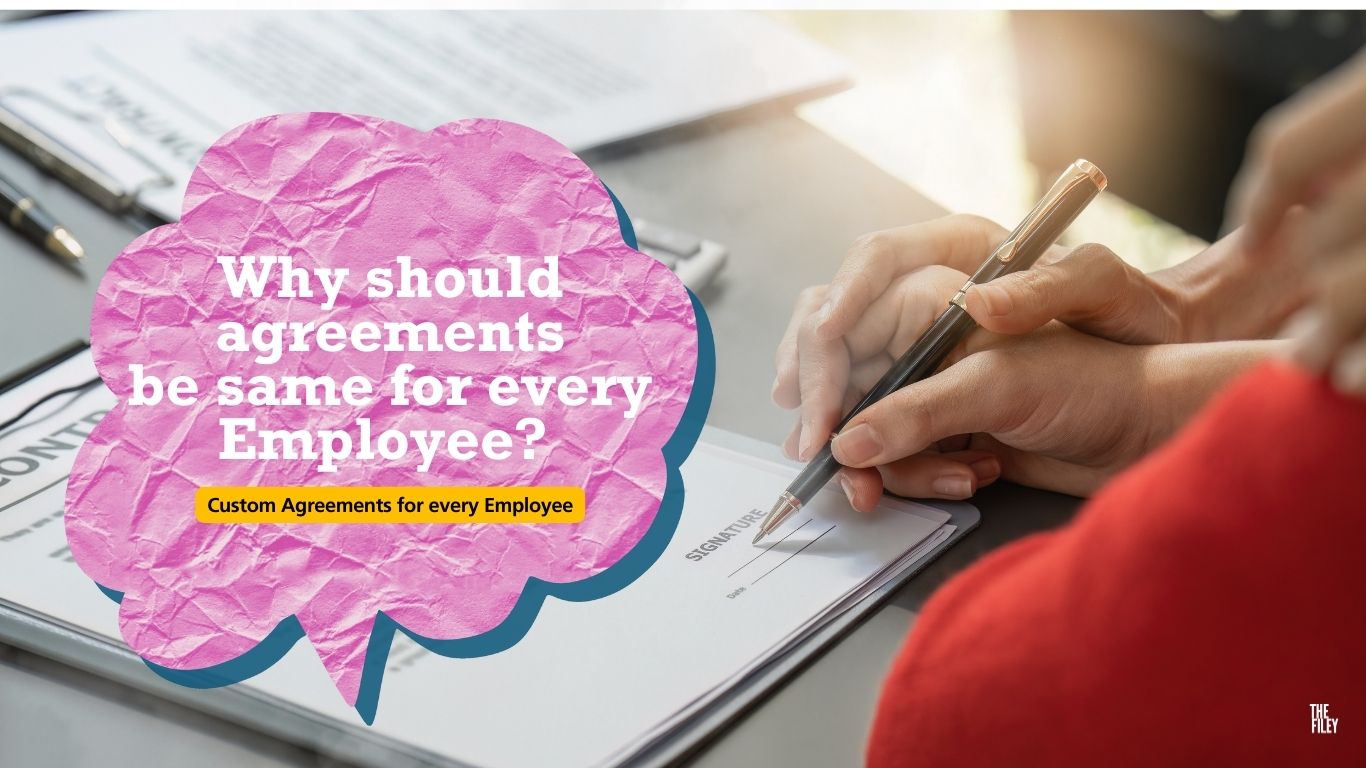
In the world of employment, standard employee agreements have long been the norm. These generic contracts often apply uniformly to all employees, regardless of their unique roles, responsibilities, or personal circumstances. However, this one-size-fits-all approach overlooks the nuanced needs and expectations of both employers and employees. As workplaces evolve and employment dynamics become more complex, there is a growing need to rethink how employee agreements are crafted. Customizing these agreements can offer significant advantages for both parties and address modern employment challenges more effectively.
Why Standard Agreements Fall Short
- Lack of Personalization: Standard employee agreements often fail to address the specific roles, responsibilities, and career goals of individual employees. For instance, the needs of a senior executive differ vastly from those of an entry-level employee. A generic contract may not adequately reflect the unique contributions, expectations, and compensation that should correspond with each role.
- Missed Opportunities for Tailored Benefits: A uniform agreement may not provide opportunities for customizing benefits that could be particularly relevant to individual employees. For example, an employee with significant family responsibilities might benefit from flexible working hours or additional parental leave, while another might prioritize professional development opportunities.
- Potential for Misalignment: Standard agreements can lead to misunderstandings or misalignment between the employer and the employee regarding expectations, performance metrics, and career progression. Custom agreements allow for clearer communication of these aspects, reducing the potential for conflict and dissatisfaction.
Advantages of Customized Employee Agreements
- Enhanced Flexibility and Satisfaction: Custom agreements can address specific needs and preferences of employees, leading to higher job satisfaction and improved morale. For example, offering tailored work arrangements, such as remote work options or adjusted schedules, can accommodate personal needs while maintaining productivity.
- Improved Talent Acquisition and Retention: By providing agreements that reflect individual contributions and aspirations, employers can attract top talent and enhance retention rates. Customized agreements demonstrate an understanding and appreciation of the unique value each employee brings to the organization, fostering a more engaged and loyal workforce.
- More Accurate Performance Metrics: Personalized agreements can include specific performance metrics and career development goals aligned with the employee’s role and ambitions. This clarity helps both parties manage expectations and measure success more effectively, leading to more objective evaluations and fair compensation.
- Stronger Legal Protection: Tailored agreements can better address specific legal and compliance issues relevant to different roles and industries. This customization helps ensure that both employer and employee are protected against potential disputes or misunderstandings, reducing legal risks for both parties.
The Need for Custom Agreements in Today’s Employment Landscape
In the contemporary work environment, characterized by diverse job roles, evolving expectations, and varying personal circumstances, a standardized approach to employee agreements is increasingly inadequate. As organizations strive to accommodate a wide range of employee needs and preferences, custom agreements provide a more dynamic and responsive framework.
The shift towards remote work, flexible hours, and diverse work environments further underscores the need for personalized agreements. Custom contracts can better address the intricacies of remote work arrangements, international employment, and flexible job roles, offering solutions that reflect the realities of modern employment.
Moreover, as workplaces become more focused on employee well-being and work-life balance, customized agreements align with these values by incorporating provisions tailored to individual circumstances and career goals. This alignment fosters a positive work culture, enhances employee engagement, and drives overall organizational success.
The traditional approach of using uniform employee agreements is increasingly out of step with the complexities and demands of the modern workforce. Customized agreements offer significant advantages by addressing individual needs, improving satisfaction, and aligning with contemporary employment trends. For both employers and employees, embracing a more personalized approach to contracts is not just beneficial but essential for fostering a productive and harmonious work environment.
As we navigate the evolving landscape of employment, it is imperative for organizations to consider the benefits of individualized agreements and implement them to meet the diverse needs of their workforce. This shift will not only enhance job satisfaction but also drive organizational success and resilience in an ever-changing world.